The Upper Gatineau Whitewater Festival could be in jeopardy
From August 23 to August 25, 2024, the Upper Gatineau Whitewater Festival takes place. It's a battle to save the falls on

From August 23 to August 25, 2024, the Upper Gatineau Whitewater Festival takes place. It's a battle to save the falls on

On July 3, 2024, the federal government gave the go-ahead for the expansion of the tailings and waste rock piles at the Bloom Lake iron mine, adding the lakes and rivers surrounding the project to its list of exceptions to the ban on destroying fish habitat. This means that 37 bodies of water surrounding the mine site, representing 156 hectares of fish habitat and many more natural environments of all kinds, will be destroyed in perpetuity. The federal government is thus following in the footsteps of the provincial government, against the advice of the BAPE, scientists and public opinion, and setting a dangerous precedent.

In this Water Month, Fondation Rivières and the City of Chambly release the results of a 2nd study revealing that water quality in the Chambly basin has very good potential for dry-weather swimming. The results of this portrait of microbiological water quality in the basin pave the way for new, environmentally-friendly uses of the river.

Did you read Ariane Krol's article published in La Presse on June 9, 2024? Her dossier, Tensions sur fond de sable blond, brilliantly documents the case of the Batiscan beach and establishes for good what we've been trying to communicate for a year: the shoreline is public. The littoral is the shoreline that is dry once the water has receded after the great spring floods or tides. It's called the high-water mark or littoral limit. The Ministry of the Environment has confirmed that it has not ceded the littoral and that it takes precedence over any transactions or demarcations made by riparian owners. In very rare cases, some river and lake beds are privately owned, but these exceptions date from the distant past.

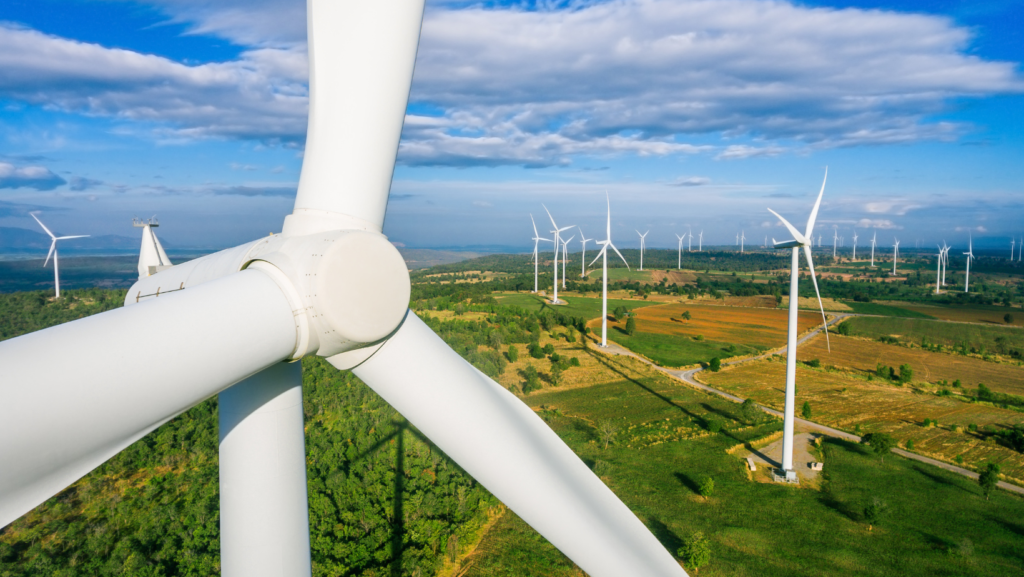
On April 11, Bernard Thompson, prefect of the MRC de Mékinac and mayor of Hérouxville, announced his resignation in the face of an unprecedented mobilization of local citizens against multinational TES Canada's plan to build 140 mega-wind turbines on farmland in the Mauricie region. If the past is any indication of the future, this toxic climate is likely to be reproduced elsewhere in Quebec, where the Legault government has chosen to allow large-scale industry to embark on the massive production of electricity on the territory, without any overall vision or adequate consultation. And it's the citizens and your members, the elected municipal officials, who are paying the price. Energy issues divide your communities.
In January 2018, Hydro-Québec CEO Éric Martel said, "If people start self-generating with solar, it's going to make electricity rates explode: it's the risk of the 'death spiral'." His logic was as follows: if customers start self-generating, there will be fewer customers to share Hydro-Québec's fixed-cost bill. Rising costs would become inevitable, pushing more customers to opt for self-generation. A downward spiral of customer attrition and economic death would follow.